
How Mattress Recycling Council’s SP2 boosted revenue, sustainability and employee engagement at South Bay International.

What if there was a free way to help your company cut costs, generate additional revenue and be more sustainable? Fortunately, there is. The Mattress Recycling Council’s Sleep Products Sustainability Program, SP2 for short, helps California mattress manufacturers reduce waste while increasing operational efficiencies. The program was developed as part of the industry’s commitment to environmental stewardship and complements the Mattress Recycling Council’s efforts to promote sustainability.
In the free voluntary program, manufacturers look at their products and processes to see what they can do to reduce their environmental impact and create efficiencies that lead to cost savings. It also creates best practices and defines metrics to track progress.
“Sustainability in manufacturing isn’t just about environmental impact; it’s about optimizing operational performance,” says Kate Caddy, director of sustainability for the International Sleep Products Association. “Incorporating sustainability helps identify inefficiencies, reduce waste and improve performance. SP2 helps turn those efforts into a structured system that drives cost savings and long-term business resilience. It builds on existing practices, requires no new equipment and provides practical tools, training and support.”
While SP2 is currently only available in the Golden State, ISPA has plans to expand the program to other states. On June 11, South Bay International became the latest company to achieve SP2 certification. There are lessons to be learned from the recent success of the Rancho Cucamonga, California-based manufacturer.
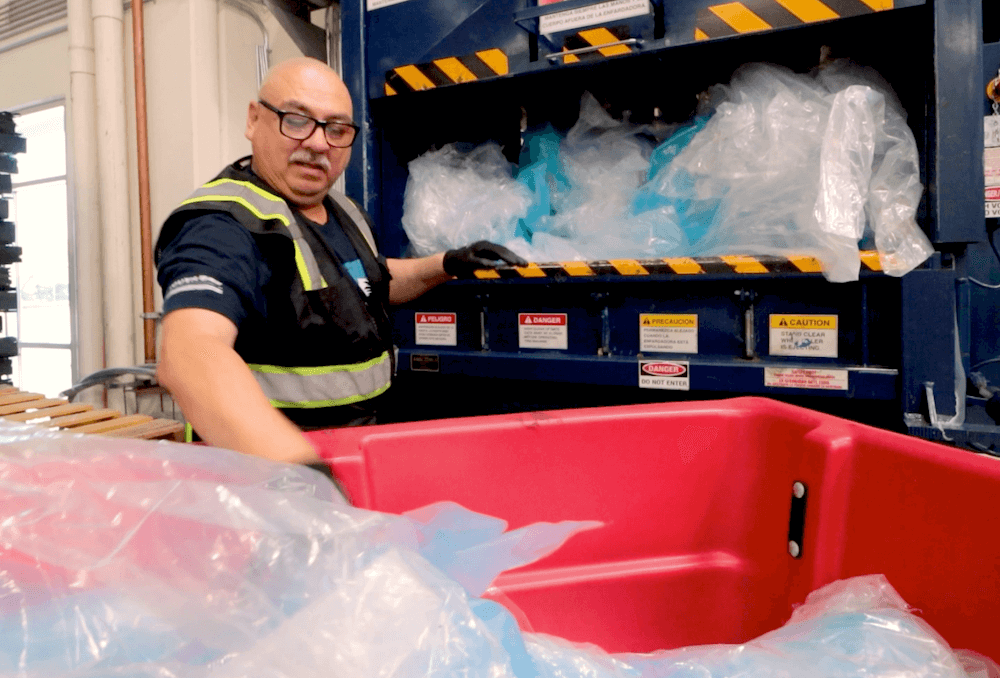
for resale on secondary markets.
Toby Konetzny, CEO of South Bay, found the program to be straightforward. “The surprising thing about this program was it was actually pretty easy to implement.”
Before the program, South Bay had a few recycling efforts in place, but the company was not tracking metrics on waste, water or energy. In the past year, South Bay has seen significant results, including reducing its waste by 48%.
As a result, South Bay reduced the frequency of its landfill dumpsters pickup — from twice per week to once per week — and also eliminated one large roll-off landfill container. (For reference, dumpsters are 4 cubic yards while a roll-off container is 40 cubic yards.) Together, these changes will save South Bay approximately $3,600 per year.
South Bay reduced its water usage by 21%, a big deal in drought-prone Southern California. This abatement came from reducing the frequency of its landscape irrigation from seven days a week to three per week and repairing water leaks within its facilities. Also, when the company started tracking its energy usage, South Bay identified a different electricity rate plan that will save them about $4,800 per year.
“Every facility has different ‘aha’ moments, and I’ve seen many great examples,” Caddy says. “At South Bay, what stood out was how they used the SP2 tools to identify key opportunities, made a plan and promptly took action. As a result, they made significant progress toward their reduction targets in a very short time.”
Chris Moseley, director of manufacturing and warehouse at South Bay, recommends that other companies implement SP2. “Not only did management learn and become more aware of waste, but our employees were educated, as well,” he says. “I never knew how much we would save by just making a few adjustments to landscape watering schedules and adjusting thermostats. The program was self-explanatory, easy to implement and Ryan McMullan and team were always available to answer questions and provide guidance.”
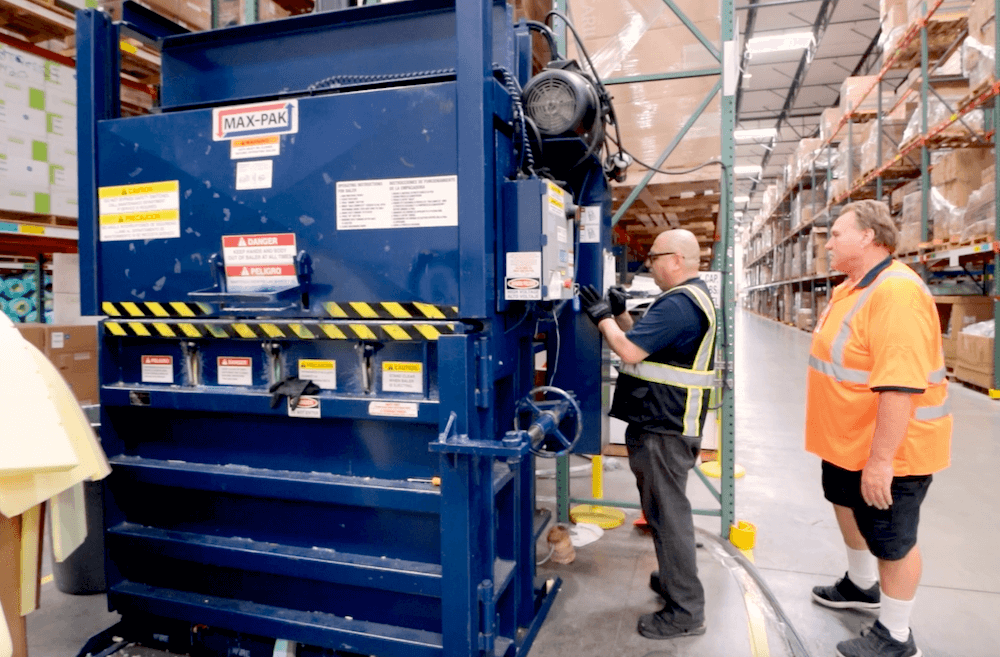
McMullan is MRC’s SP2 consultant and principal consultant with Lean Green Way in Long Beach, California.
One of SP2’s requirements is that companies share the lessons they learned with a sister facility, community partner or supplier. To satisfy this condition, South Bay plans to use the SP2 framework to implement changes at its factory in Santa Theresa, New Mexico. “Once you get the blueprint going, it makes sense to move it onto your other facilities,” Konetzny says.
Another benefit of SP2? Strengthening employee engagement. At South Bay, employees were all in on implementing the program. South Bay started baling its cardboard, foam and plastic for resale on secondary markets — something that both supports sustainability and generates additional revenue.
“One of the surprising things that turned out from the SP2 program is the amount of revenue that’s being produced by recycling,” Konetzny says. “We’re lucky enough to be in an area where we can sell our cardboard, our foam and our plastics, so our return on investment on the equipment and the process came back quickly — within a few months. Now it’s become a really nice revenue driver that we just give back to the employees. So, employee engagement has been fantastic, because they know we’re going to be able to give them Fourth of July barbecues and gifts through our big Christmas party that we throw.”

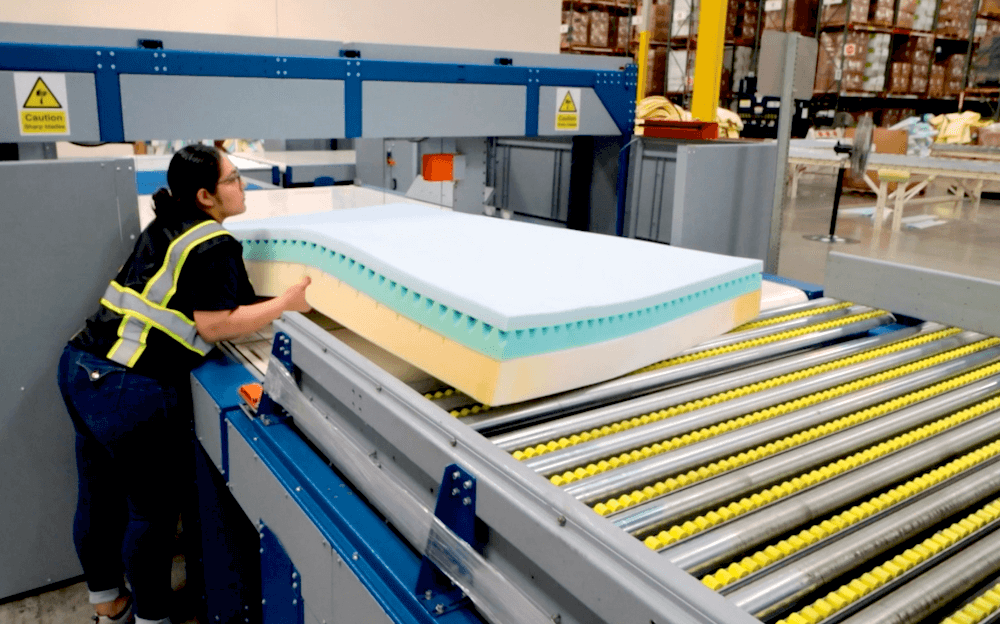
Caddy finds it impressive that South Bay reinvests the revenue from its recycling efforts to host employee appreciation events. “It’s a simple but powerful way to show employees that their efforts matter and are making a real impact on the business,” she says. “It also builds engagement and reinforces a culture of continuous improvement.”
The bottom line, though, is that sustainability is just good business. “There are various things that we can do that are good manufacturing, good business and make fiscal sense,” Konetzny says. “I think what’s cool about SP2 is that it gives us the tools to track it. It’s already a template. It’s very easy for us to implement. It doesn’t take a lot of brain math to set up some of these things.”